Every pitch a new hotel owner receives ends the same way: “and then it goes viral.” The drone footage, the influencer weekend, the photo-ready corner – all of it sold on the promise that attention will arrive in a wave and the bookings will follow. Popularity becomes the metric. If a post doesn’t explode, the campaign failed; if it does, champagne.
Here’s the problem: in hospitality, virality is not a determinant of success. A reel with two million views doesn’t fill rooms in November. And for a new hotel – especially one opening in an emerging destination like Puglia, where properties are multiplying and the “hidden gem” label gets more crowded every season – building your launch strategy around the hope of viral fame is building on sand.
There’s a better way to create desirability, and it borrows the best part of virality (the feeling of discovering something special) without the worst part (depending on an algorithm’s mood).

The Trap: Treating Virality as the Goal
The logic seems sound at first. New hotel, no brand awareness, limited budget – so chase attention. Hire the drone videographer, court the big influencers, engineer the “Instagrammable” moment. But virality has three flaws as a foundation.
It’s unpredictable. No one can reliably manufacture it, including the agencies who sell it. You’re spending real money on a lottery ticket – and the agency will keep the fee whether or not the numbers move.
It’s short-lived. Viral attention decays in days. Hotel purchase cycles run in months. The couple who saved your reel in March has forgotten you by the time they book their September trip.
It attracts the wrong demand. Viral fame brings a wave of one-time visitors chasing a photo, not the repeat guests and advocates who sustain a property year after year. Ask any hotelier who’s been “TikTok famous” for a season what happened the following year. Most will tell you the photo crowd came once, tipped badly, and left a one-star review about the Wi-Fi.

There’s a quieter cost, too, and it’s one I’ve felt directly. When likes become the scoreboard, everyone making the work is graded on the wrong exam. A copywriter spends days building a story – the family behind the masseria, the olive grove that predates the house, the reason the breakfast is served where it is – and the verdict arrives as a number. Or the question becomes whether a single caption produced a booking. Sometimes it does, and I’ll take the win. But that’s the exception, and treating it as the rule pushes everyone toward louder, emptier work: the hook over the story, the trend over the place. Every brief that asks “can you make it go viral” is a brief that has already decided the words don’t matter.
The cousin of the viral reel is the polished gallery. The owner commissions a shoot – pool at golden hour, linen sheets, a bowl of lemons on a stone table – and posts the images with a sense of having done the marketing. The photos are beautiful. They’re also interchangeable. Every new property from Ostuni to Gallipoli has the same twelve frames, and a guest scrolling through them cannot tell you which hotel she’s looking at. A gallery is a postcard. It tells people the place exists; it gives them no reason to choose it. What separates one whitewashed masseria from the next is never visible in the photograph. It lives in the story around it – and that is precisely the part most owners treat as decoration.
Compare that with what actually moves people. Someone with good taste and a track record of solid recommendations – say a friend of the owner, whose suggestions have never let you down – mentions the hotel over dinner, with nothing to gain from it. That person brings in guests, and they’re exactly the guests you want. And here’s where the writing earns its keep: those guests then go looking. They find your site, read the story of the place, and recognize the thing their friend described. The copy doesn’t have to spike; it has to hold up when someone arrives already curious. That’s a very different job from an influencer’s video of lunch by the pool, which gets a million views from people who will never cross your threshold.
None of this means social media is useless. It means it should be an amplifier of your strategy, not the strategy itself.
And when a launch underperforms, the post-mortem always lands in the same two places. We blame the images – too staged, not staged enough. We blame the copy – too much of it, too little, wrong tone. Sometimes those critiques are fair and correct – I know of many beautiful properties with poor content and I ask ‘why!?’. But they’re almost never the real reason. What truly counts is authentic stewardship of your property, and it starts from the inside: you, your partners, your family, your friends, your team. A hotel that is genuinely cared for by the people closest to it has something no shoot and no caption can fake – and a hotel that isn’t has a problem no amount of either will fix.
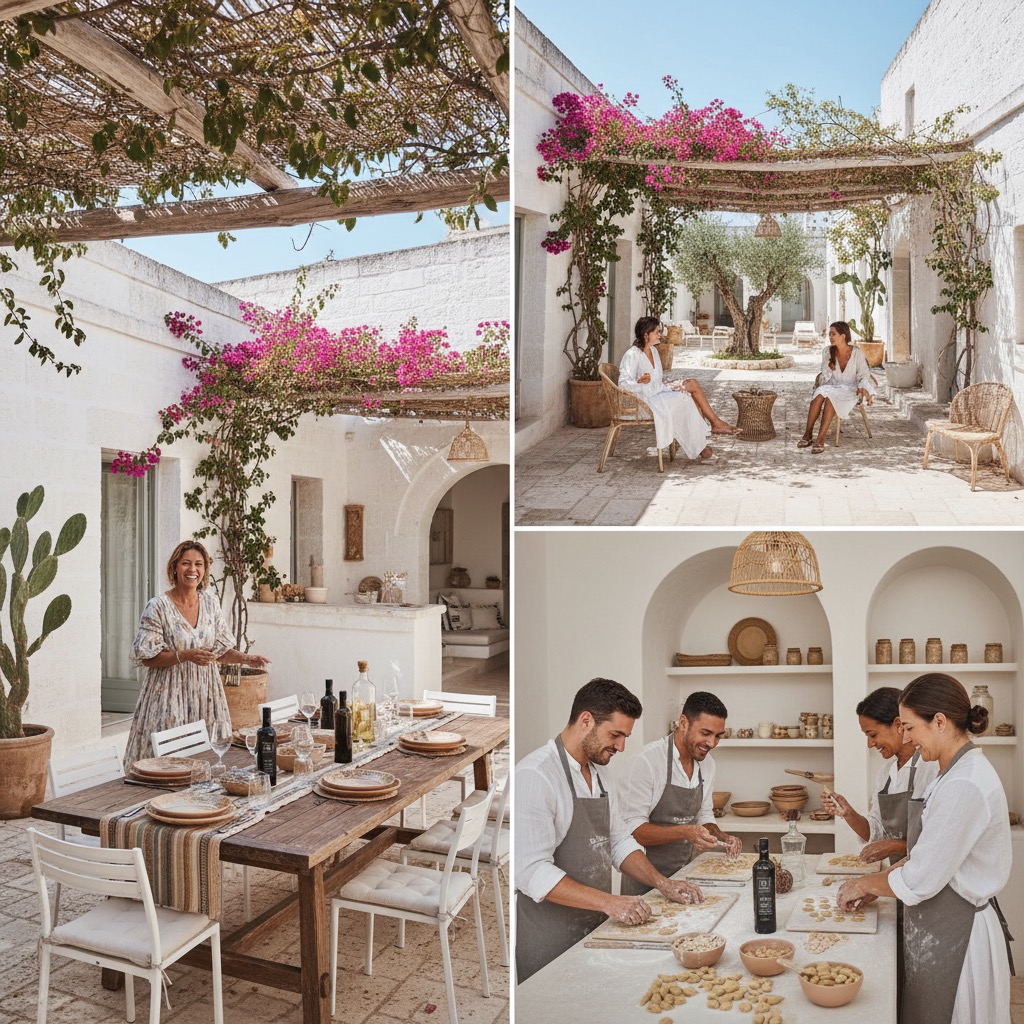
The Alternative: Exclusivity That Spreads Person to Person
The insight worth keeping from viral culture is this: people love to share discoveries. The feeling of being “in the know” – of having found something before everyone else – is one of the most powerful motivators in luxury travel.
But that feeling doesn’t require an algorithm. It travels beautifully through something older and more durable: personal networks. A new hotel’s real launch asset isn’t its Instagram account. It’s the combined relationships of its founders, team, and investors – a resource most new properties barely use.
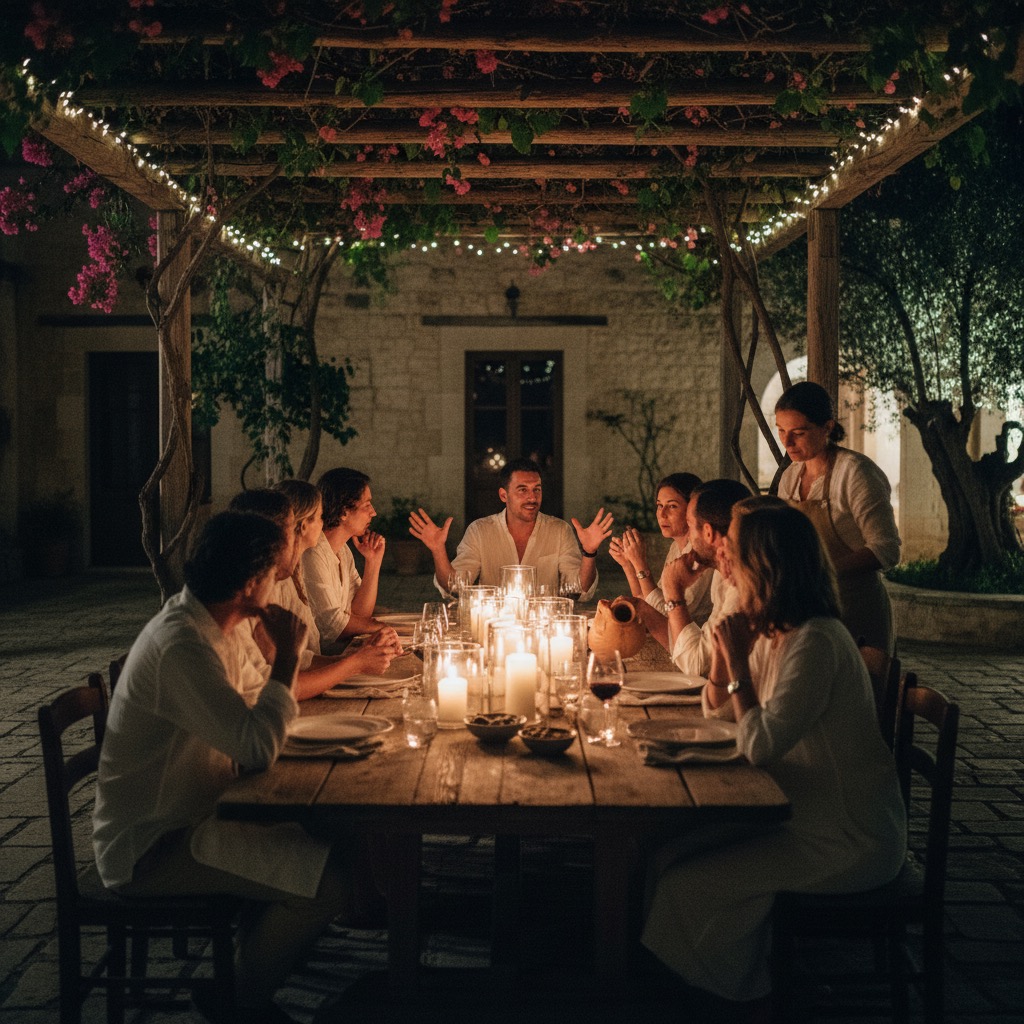
Founders as ambassadors. A founder personally inviting industry contacts, journalists, and community figures to experience the property creates a kind of endorsement no paid campaign can. When the person who built the place walks you through it, you don’t just remember the hotel – you tell people about it.
Investors as connectors. This is the most underused channel in hospitality. Investors are, almost by definition, well-connected people with a financial interest in your success. Invite them to host dinners at the property. Ask for three introductions each. Give them a reason and a mechanism to bring their world to your door.
Staff as insiders. A team that feels genuine ownership of the guest experience produces the recommendations that matter most – the concierge’s friend, the chef’s supplier, the front-desk manager’s former colleagues. These referrals arrive pre-sold.
Guests as advocates. Every guest who leaves feeling like an insider becomes a channel you didn’t have to build. Not because you asked them to post, but because being let in on something is a story people want to tell – at dinner, in a group chat, when a friend mentions they’re thinking about Puglia. The referrals that come this way are the most valuable you’ll ever receive: unpaid, unprompted, and backed by someone’s reputation. Your job is simply to make the experience worth repeating, and then give them an easy way to bring someone through the door.
Layer onto this network a structure of earned exclusivity: invite-only openings, a referral program where existing guests unlock perks for the friends they bring, a small members’ circle with early access to the calendar. Now the “discovery” feeling spreads through trusted relationships – dinner conversations, WhatsApp messages, personal introductions – rather than through a feed. Each recommendation carries the weight of a real relationship behind it.
This is exclusivity designed to spread. It grows more slowly than a viral hit, but it compounds instead of evaporating.
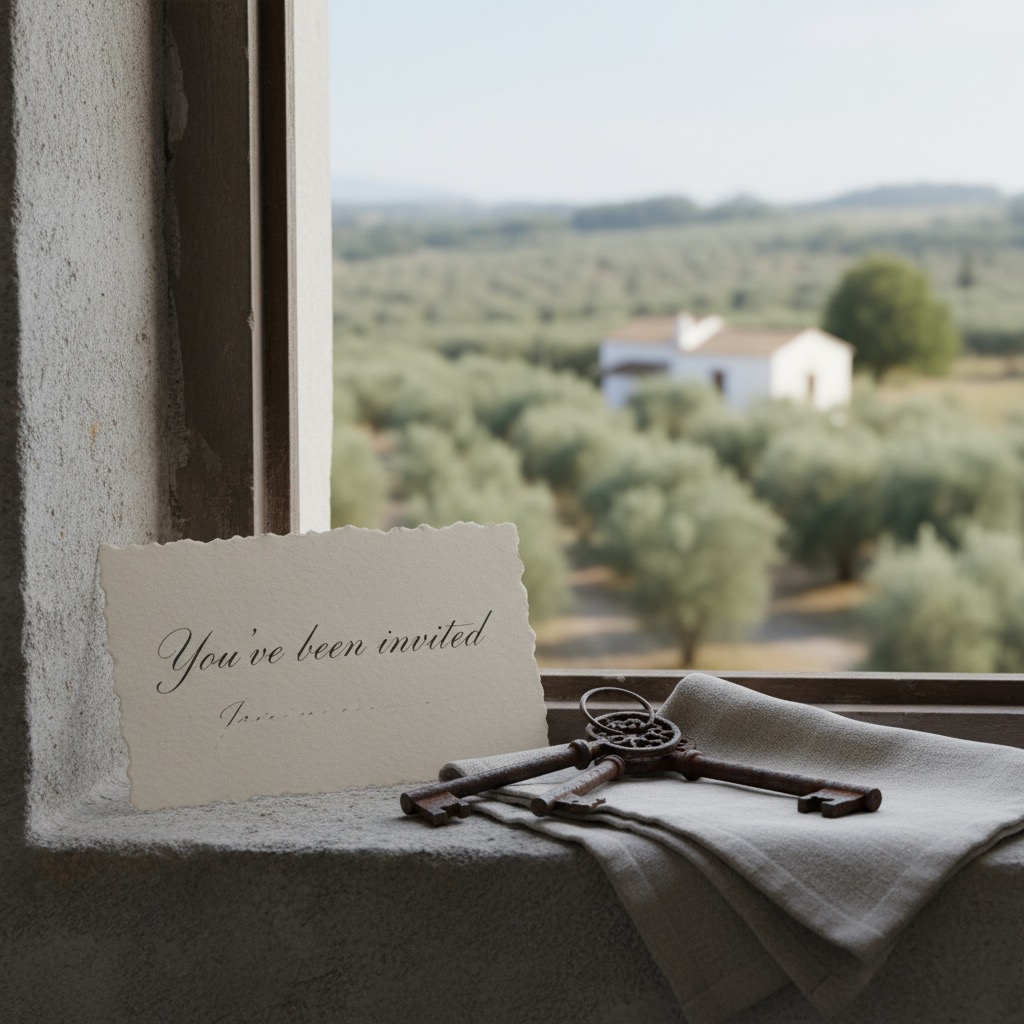
What This Looks Like in Practice
Imagine a new masseria opening in the Valle d’Itria. Instead of a splashy influencer weekend, the founders host three small dinners before opening: one for local business owners and winemakers, one for their investors and each investor’s chosen guests, one for a handful of travel advisors and regional journalists. Every attendee leaves with the ability to extend one personal invitation – a preferred rate for someone they choose.
No hashtag. No campaign. Within a season, the property has a waiting list built entirely on introductions – and, ironically, an organic social presence too, because guests who feel like insiders share on their own. The difference is that the sharing is the byproduct of the experience, not its purpose.
The Takeaway
The common mandate – make it viral or it didn’t happen – is the wrong scoreboard for hospitality. A hotel succeeds when the right guests come, come back, and bring others. That kind of demand is built through a deliberate circle of influence: founders who open doors, investors who make introductions, staff who create experiences worth talking about, and guests who feel they’ve been let in on a secret.
Fame fades. A network of people who feel personally connected to your hotel does not. One of these you can buy. It’s the one that doesn’t work.